When should you prune hydrangeas and roses?
Hydrangeas and roses are not all pruned the same way. The right time and technique for each variety, for a garden in bloom all summer.
It grows very fast, creeps into cracks in paving and comes back denser every spring. Japanese knotweed is one of the most feared plants in Belgian gardens. Yet it can be contained, as long as you are patient and avoid the mistakes that spread it.
Its strength lies underground. Its rhizomes spread several metres around the visible clump and can stay dormant for more than ten years. A small fragment of stem or root is enough to start a new patch.
That is why occasional cutting or a pass with a brush cutter often makes things worse: it spreads the plant instead of weakening it.
Since 7 August 2025, Japanese knotweed has been on the EU list of invasive alien species. It is forbidden to plant, sell, transport or release it into the environment anywhere in the European Union.
In Wallonia, planting it was already banned, as was dumping green waste that contains it. Municipalities can also require it to be managed.
The waste must go for incineration or to an approved industrial composting facility. Check with your municipality or your intermunicipal waste company before taking it there.
We first map out the patch and check whether it extends into your neighbour’s garden. We then propose a management plan over several seasons, with regular cutting or covering depending on the area, and dispose of the waste through the right channel. It is a long-term job, and we prefer to tell you so from the start.
This article gives general guidance. Rules change and can differ between municipalities: always check with your municipality before starting work.
A yearly or seasonal subscription, or a one-off visit, to keep your garden neat all year round.
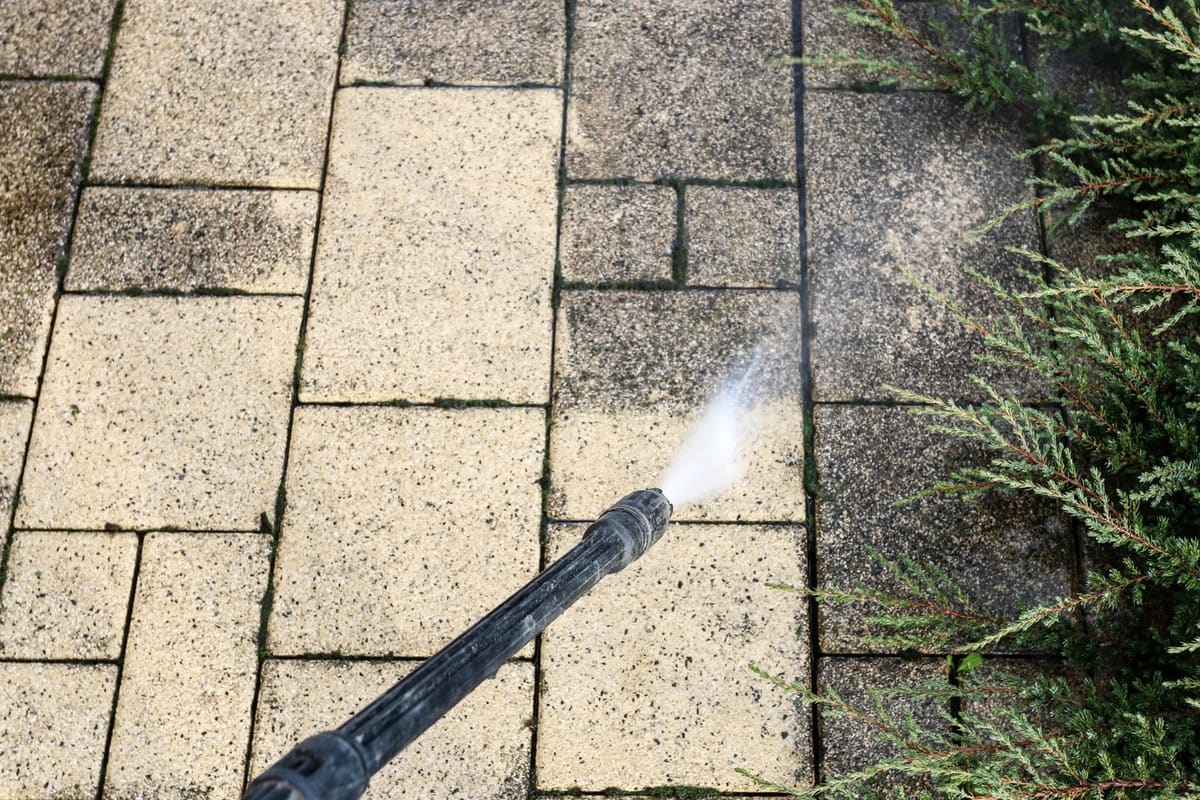
Pressure washing of patios and paths, moss removal from facades and low walls.
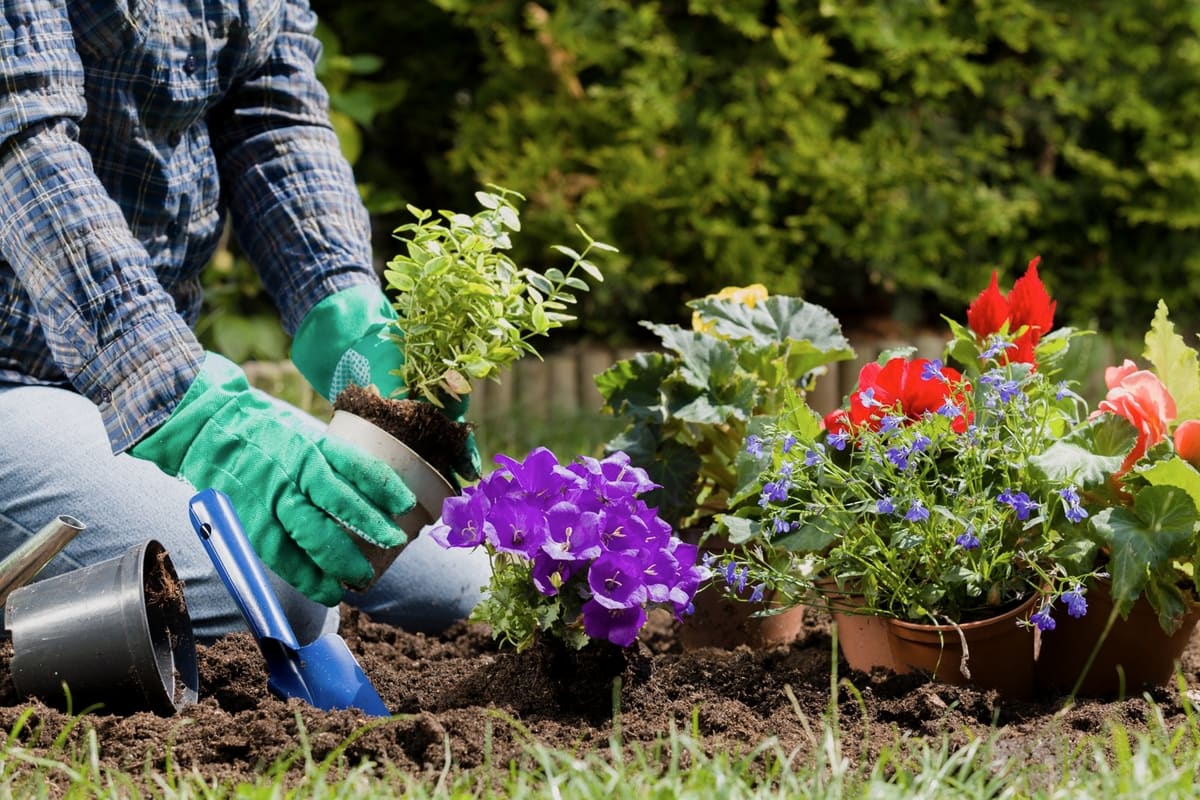
Designing a new garden or a complete makeover: layout plan, plant selection, groundwork and planting.
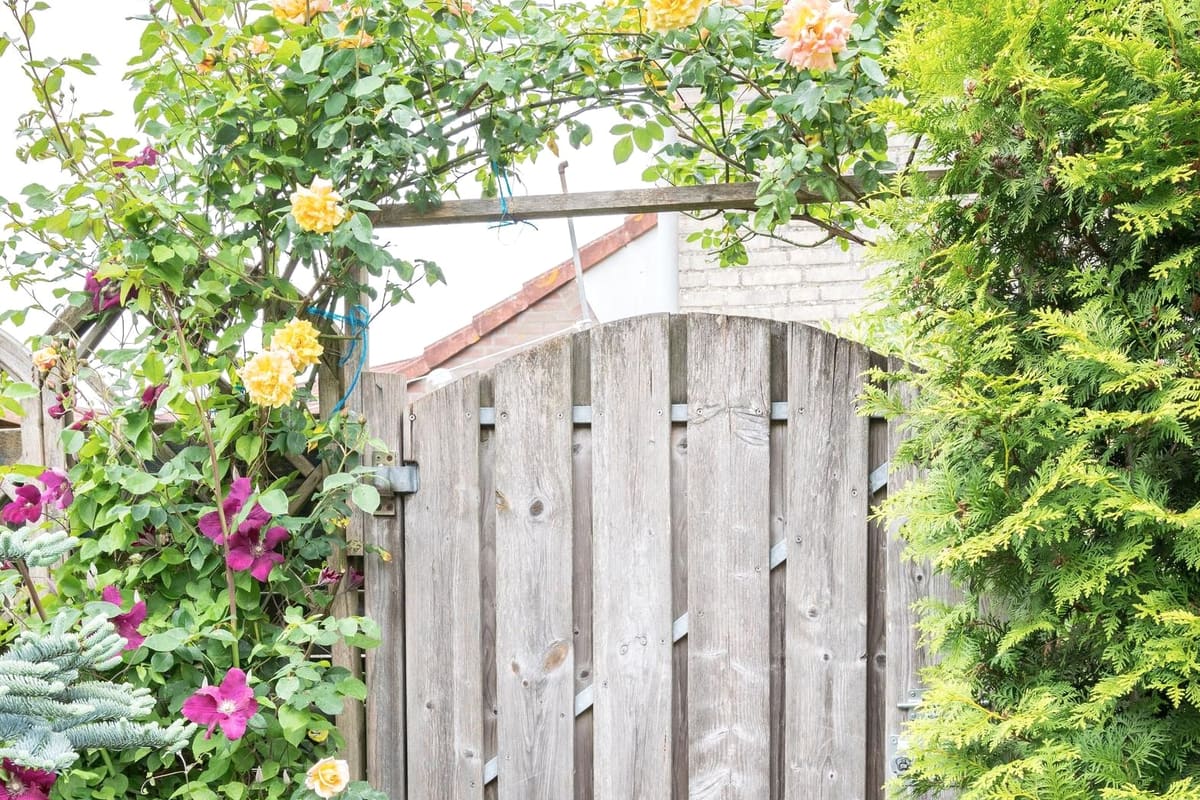
Hydrangeas and roses are not all pruned the same way. The right time and technique for each variety, for a garden in bloom all summer.
Height, materials, party fences: the rules for putting up a garden fence in Brussels, Wallonia and Flanders, and how to choose the right one.
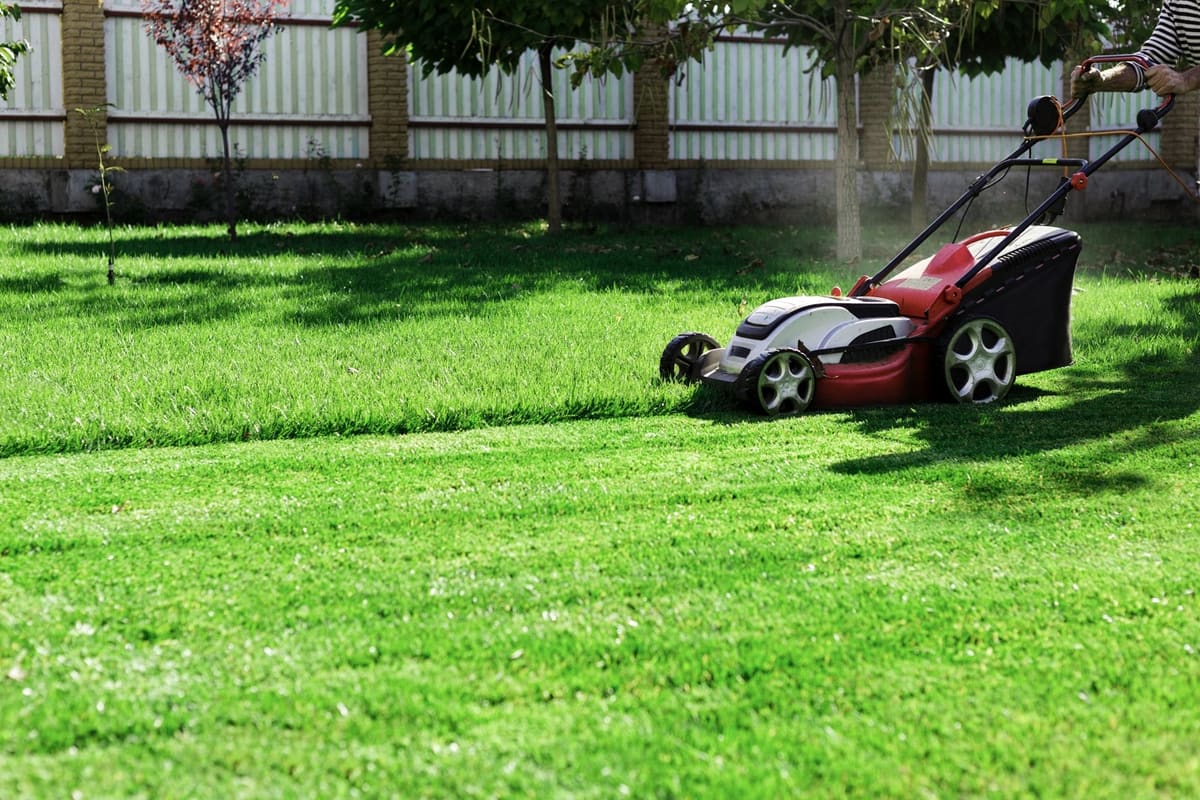
When to sow a lawn in Belgium, when to choose turf instead, and how to prepare the soil and water for a dense lawn from the very first year.
Pros and cons of cherry laurel, thuja and native mixed hedges, distances to keep from your neighbour and the hedge planting grant in Wallonia.
Glyphosate, salt, vinegar: what the law allows householders in Brussels, Wallonia and Flanders, and effective methods for paths and patios.
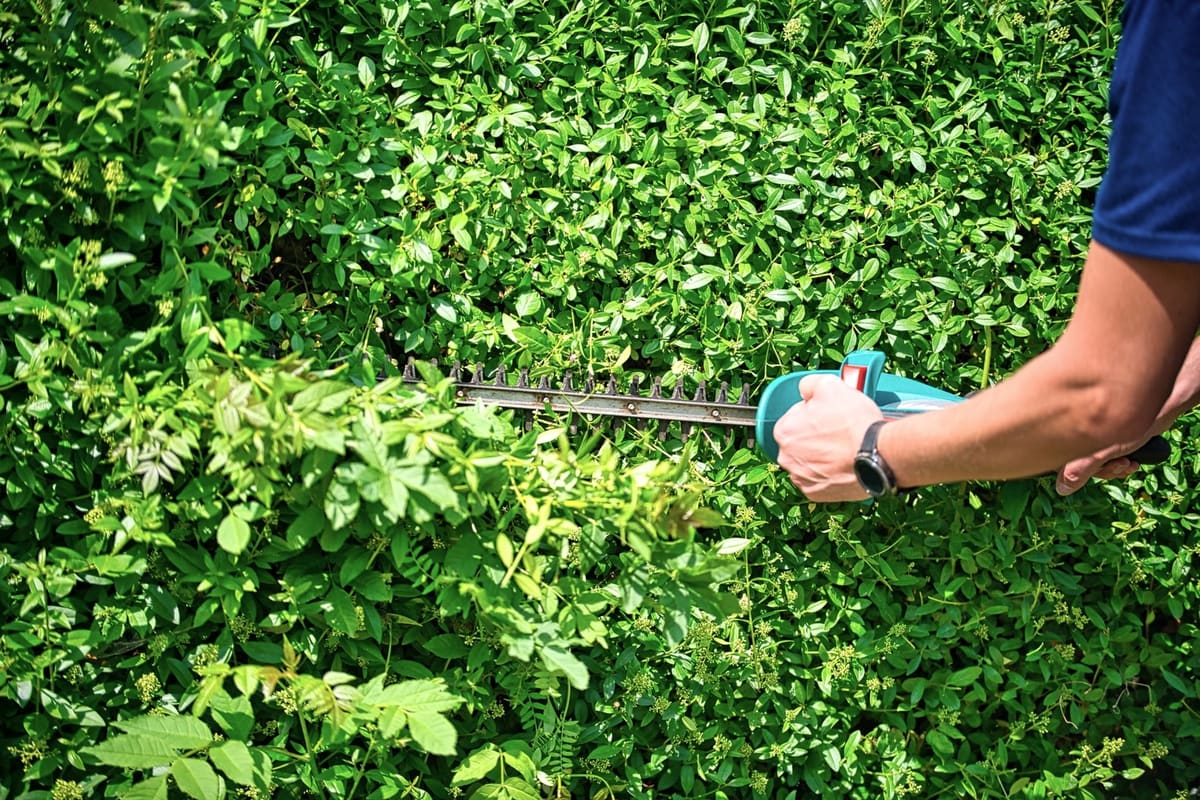
The best times to trim a hedge in Belgium, the species that need special care, and the bird nesting season to respect.
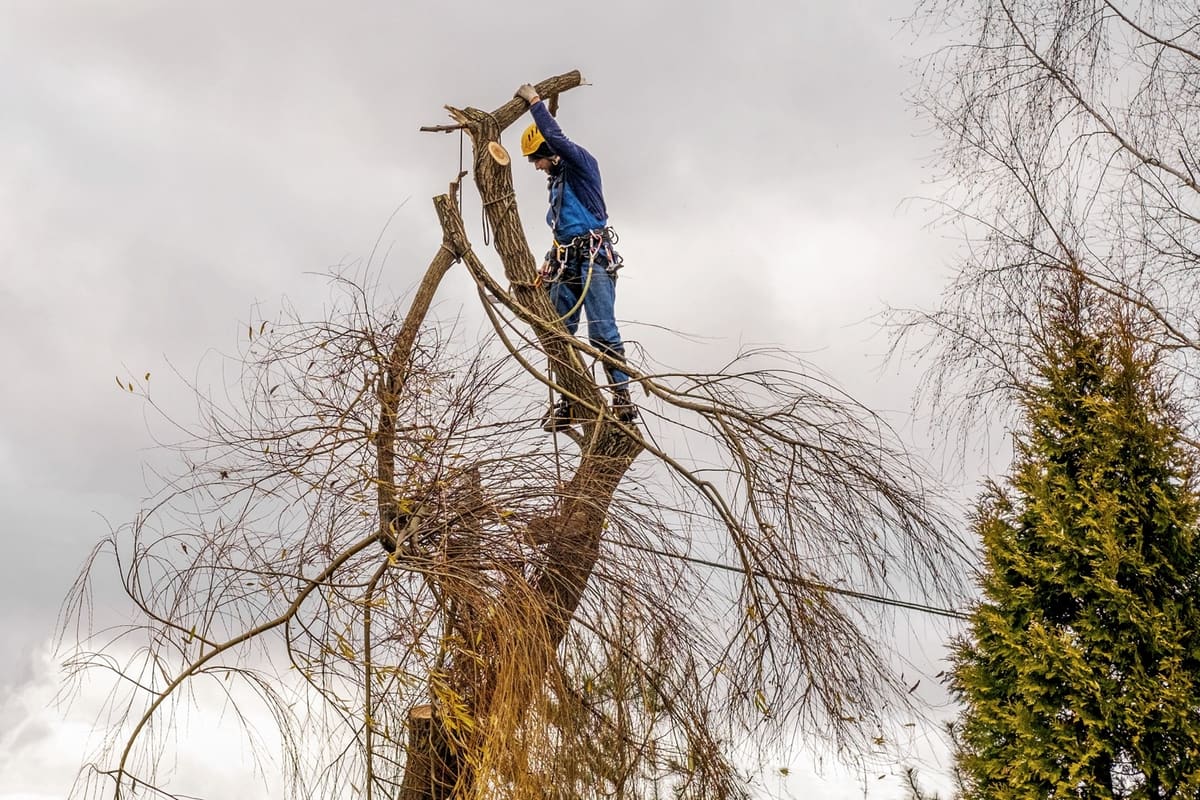
Standard trees, planning permits, maintenance versus radical pruning, the restricted period: what to know before felling or pruning a tree in Brussels.
Moss, thatch, patchy grass: when to scarify your lawn in Belgium, how to go about it and what to do right after for a dense lawn.
Tell us about it in two minutes. We will get back to you quickly to arrange the visit, Monday to Saturday.
This website sets no advertising or tracking cookies. With your consent, we load the mood videos on the home page from Cloudinary, which then receives your device’s IP address. Without consent, a photo is shown instead. Cookie policy